
Healthcare access isn’t only about whether a clinic exists or how far someone has to travel. In Timor-Leste, stigma can create another significant barrier, particularly for people seeking testing or treatment for conditions such as HIV and tuberculosis (TB).
Fear of judgement, discrimination or a loss of privacy can cause people to delay seeking care, avoid testing or struggle to continue with treatment. In 2025, Timor-Leste’s Ministry of Health and the World Health Organization identified stigma as a major barrier to timely testing, treatment and care for people affected by TB and HIV.
Reducing stigma is therefore an important part of improving healthcare access. Here’s how trust, confidentiality, community education and well-supported healthcare workers can help people feel safer seeking the care they need.
When fear becomes another barrier to healthcare
Stigma can affect someone’s healthcare journey before they ever receive a diagnosis. A person may recognise that something isn’t right but delay seeking help because they are worried about how others might react. Someone considering an HIV test may fear what a positive result could mean for their relationships or family life, while a person experiencing symptoms of TB may worry about being avoided or treated differently within their community.
These fears can delay testing and treatment, while concerns around judgement or confidentiality can also make people less comfortable returning for follow-up care. Making healthcare accessible therefore means more than providing tests, treatment and healthcare facilities.
People also need to feel confident that they will be treated with respect when they seek care.
Why confidentiality and trust matter
Trust plays an important role in whether someone feels comfortable sharing personal health information and returning for ongoing care. For conditions that already carry social stigma, concerns about confidentiality can make the decision to seek help even more difficult.
Research by UNSW Sydney researchers, including the Kirby Institute, examined the experiences of adults living with HIV in Dili, identifying experiences of gossip and social exclusion within communities, alongside inappropriate treatment and breaches of confidentiality within healthcare settings.
Creating safe and respectful healthcare environments remains an important part of our HIV Program. When people trust their healthcare team, they are more likely to feel comfortable asking questions, discussing their health openly and returning when follow-up care is needed.
Stigma can also affect ongoing treatment
The impact of stigma doesn’t necessarily end once someone has received a diagnosis. Many health conditions require continued treatment, monitoring and follow-up, meaning patients need to remain connected with healthcare services over time.
For people living with HIV, this includes ongoing antiretroviral treatment and regular monitoring. For people receiving TB treatment, staying engaged with their healthcare team is important for completing treatment successfully. Fear of disclosure, previous experiences of judgement or a lack of support from family members can all make that process more difficult.
Maluk Timor’s 2025 Annual Impact Report identifies stigma alongside low HIV testing rates, late diagnosis and access to ongoing treatment as continuing challenges. At the same time, 95% of newly registered people living with HIV at the clinics we support started or continued treatment during 2025. This reinforces the importance of providing support throughout the full healthcare journey, rather than focusing only on initial diagnosis.
What reducing stigma can look like in practice
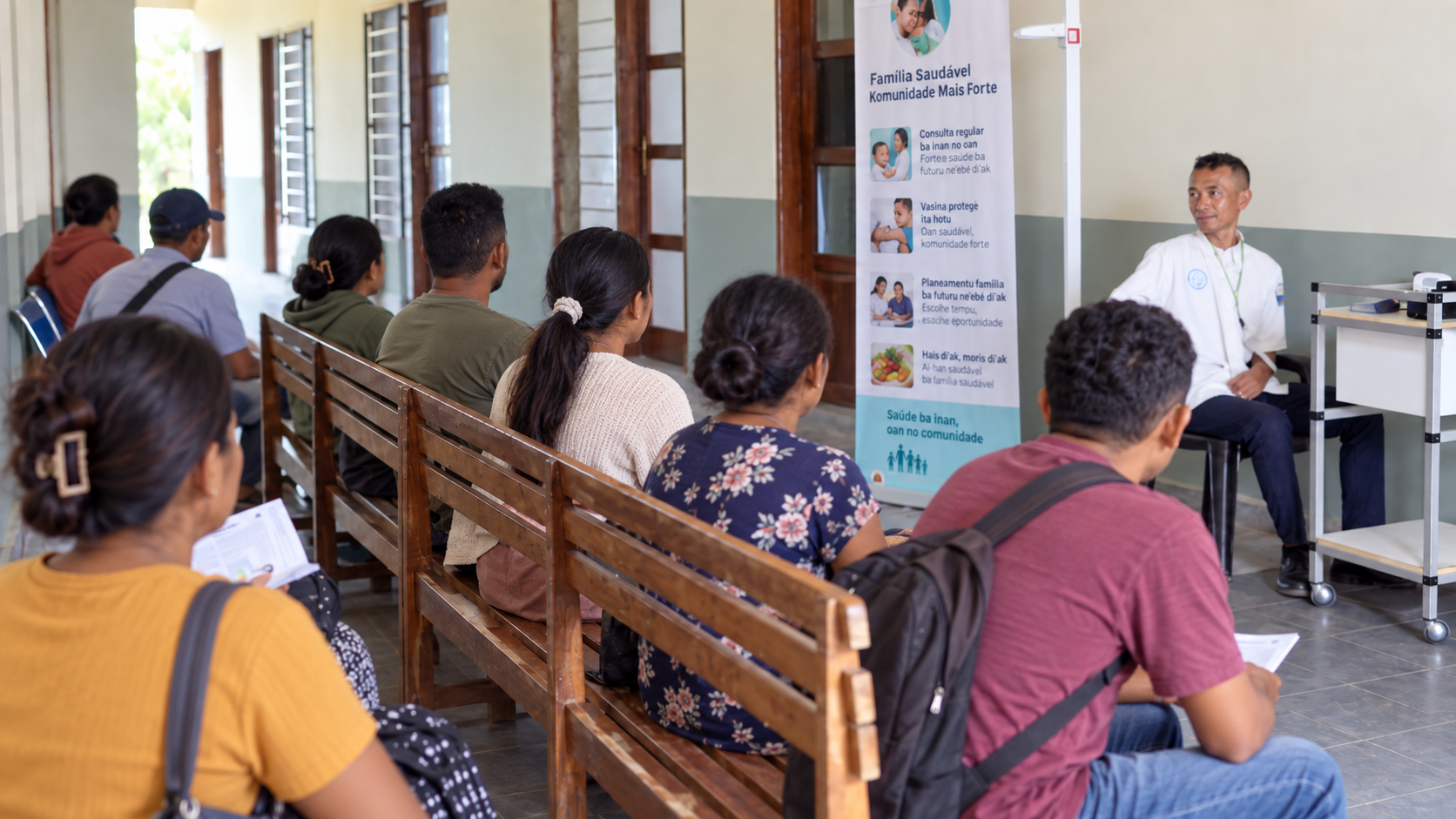
Healthcare worker training can play an important role in changing how people experience care. One example is the Supporting Triple Elimination in Papua New Guinea and Timor-Leste project, implemented in Timor-Leste with Maluk Timor, the Ministry of Health, ASHM and local healthcare teams.
At Formosa Community Health Centre in Dili, participating midwives received training, clinical mentoring and support to strengthen HIV and syphilis testing, counselling and follow-up care. This has helped healthcare workers build greater confidence in caring for women living with HIV and syphilis, while stigma reduction has also been incorporated into the training.
This kind of practical support shows how reducing stigma can become part of everyday healthcare. By strengthening knowledge, confidence and communication skills, healthcare workers are better placed to provide informed, respectful care and help patients feel more comfortable accessing the services they need.
Building understanding around TB
TB is another area where stigma can affect whether people seek testing and treatment. Timor-Leste continues to experience a high burden of TB. In September 2026, the World Health Organization reported an estimated TB incidence of 496 cases per 100,000 people, while also identifying stigma and discrimination alongside social, financial and geographical barriers as factors affecting access to care.
Within our TB Program, teams work alongside Timorese healthcare workers to find, treat and prevent TB. This includes screening household contacts, referring people with symptoms for further care and offering preventive treatment to people at risk of developing active TB.
For families, however, accessing this care isn’t always straightforward. Long distances to health facilities, transport costs and limited access to diagnostic services such as X-rays can make follow-up difficult. Stigma can create another barrier, particularly when families worry that a visit from a TB team could attract attention from neighbours.
In the video below, Maluk Timor team member Belmiro, known as Pio, shares some of these challenges firsthand. He explains why some people are hesitant to begin preventive treatment when they feel well, why families may be reluctant to receive home visits, and how Maluk Timor works alongside local community health centre staff to build trust and help people access care.
During 2025, 53,515 patients were screened for TB symptoms at Suai Referral Hospital and community health centres in Aileu Municipality, while 69 healthcare workers received training in TB prevention, diagnosis, infection control and case management.
The visits, screening, preventive treatment and workforce training Pio describes are all part of a wider approach to strengthening TB care at both community and healthcare facility level.
Looking at the bigger picture
Stigma is only one of the barriers affecting healthcare access in Timor-Leste. Geography, limited healthcare infrastructure and shortages of trained healthcare professionals can all influence whether someone is able to seek care.
For some people, several barriers may exist at the same time. Practical difficulties reaching healthcare can become even harder when someone is also concerned about judgment, privacy or how a diagnosis could affect them socially.
Reducing stigma, therefore, needs to sit alongside the wider work of strengthening healthcare across Timor-Leste, improving local services and supporting the healthcare workforce.
Conclusion
Building a stronger healthcare system means creating services that people feel confident using. Confidentiality, respectful care, community education and well-supported healthcare workers all play a role in helping people seek testing and treatment without fear of judgement or discrimination.
Through our programs and partnerships, Maluk Timor continues to work towards healthcare that is not only available, but trusted and accessible to the communities it serves.
By supporting Maluk Timor’s work, you’re helping us strengthen healthcare services where more people can seek the care they need with dignity, confidence and trust.